By: Amanda Barrios
It might seem strange that people willingly seek out fear. Lining up for haunted houses, binge-watching horror films, or riding roller coasters designed to make our stomachs drop is all part of it. Yet, the thrill of being scared is a universal experience, and there’s more to it than just Adrenaline.
At the heart of our love for fear is biology. When we encounter a scary situation, real or simulated, our brain triggers the fight or flight response. This floods our body with adrenaline, endorphins, and dopamine. It’s the same chemical cocktail responsible for excitement and pleasure.
When fear is controlled, and we’re safe, our brains can interpret it as fun rather than dangerous. In short, we get a high without the real threat.
Psychologically, fear can also provide a sense of mastery. When we watch a terrifying movie or make it through a haunted house, we come out the other side feeling braver, tougher, or more resilient. It’s a safe way to test our limits and prove we can face discomfort, even if it’s just a jump scare.
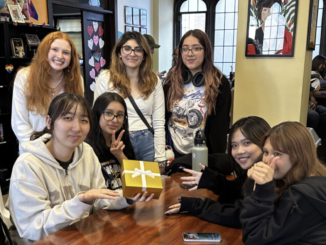
Socially, fear bonds us. Sharing scary experiences with others like friends clinging to each other during a movie or laughing after a mutual scream on a ride creates connection. There’s something about facing fear together, even if it’s artificial.
Fear also taps into our curiosity. We’re drawn to the unknown, to the darker sides of life we rarely explore. Horror stories let us confront things we don’t understand like death, evil, or the supernatural without real-world consequences. It’s a controlled chaos that satisfies a primal urge to explore danger from a distance.
In the end, we love being scared because it’s thrilling, empowering, social, and deeply instinctual. Fear, when experienced in the right setting, doesn’t repel us. It excites us. It reminds us we’re alive.